




- 1. 1. Check Raw Material Quality First
- 2. 2. Control Iron Impurity
- 3. 3. Preheat Furnace Charge
- 4. 4. Keep Furnace Materials Dry
- 5. 5. Clean Crucibles and Tools
- 6. 6. Avoid Low Melting Temperature
- 7. 7. Avoid Overheating
- 8. 8. Shorten Holding Time
- 9. 9. Add Magnesium and Zinc Near the End
- 10. 10. Reduce Turbulence During Transfer
- 11. 11. Pour With a Stable Metal Stream
- 12. 12. ZL104 Alloy Quality Focus
- 13. 13. ZL201 Alloy Quality Focus
- 14. 14. ZL301 Alloy Quality Focus
- 15. Final Supplier Checklist
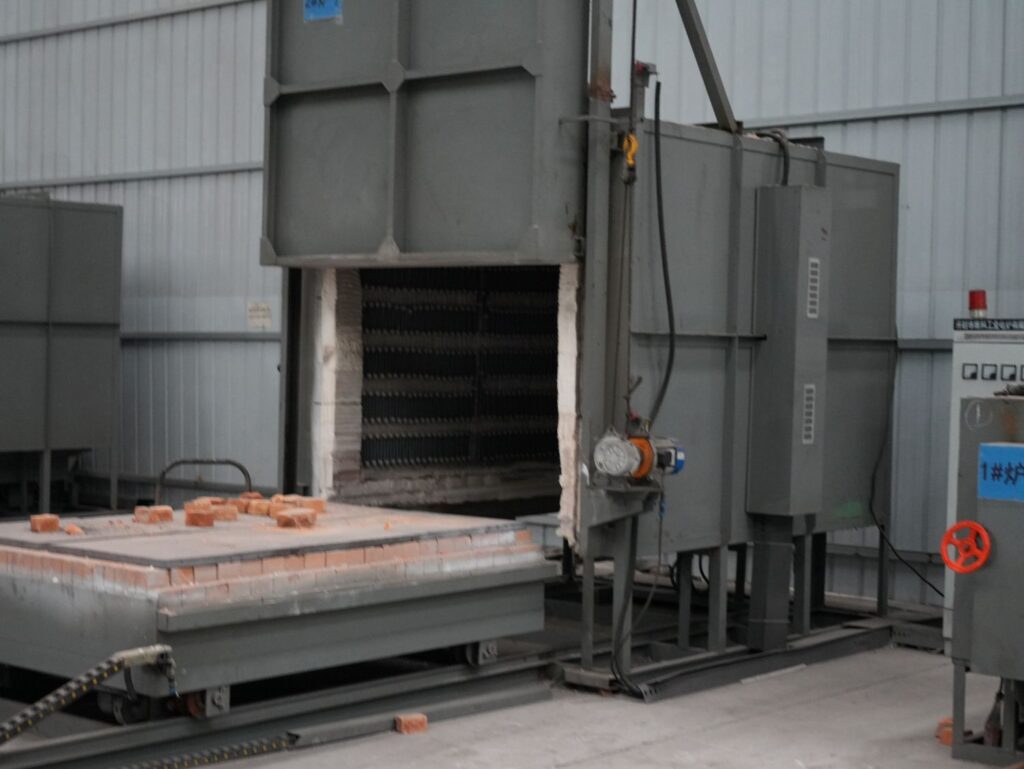
Aluminum casting quality is decided before the metal enters the mold.
Pinholes, inclusions, cold shuts, shrinkage, cracks, and black fracture defects often come from poor melting and pouring control.
For buyers of aluminum alloy casting, this checklist helps you judge whether a supplier has reliable production control.
1. Check Raw Material Quality First
Qualified raw materials are the first condition for good castings.
Alloy ingots should have correct chemical composition and clean internal structure. Ingots with shrinkage cavities, fractures, pinholes, or gas bubbles should not be used.
Poor Al-Si ingots can cause serious pinhole defects, especially in sand castings.
2. Control Iron Impurity
Iron is harmful to most aluminum alloys.
In Al-Si alloys, iron can form coarse needle-like brittle phases. These phases reduce ductility, corrosion resistance, and machining quality.
Iron often enters the melt from furnace charge, crucibles, and melting tools. That is why charge control is essential.
3. Preheat Furnace Charge
Moisture in charge materials increases gas absorption.
Before melting, all furnace materials should be preheated. This removes surface moisture and shortens melting time.
A typical preheating temperature is about 350-450°C. Holding time should be more than 3 hours.
4. Keep Furnace Materials Dry
Furnace materials should be stored in a dry warehouse.
Moisture can corrode aluminum and form aluminum rust. This moisture is hard to remove during normal preheating.
Each batch should be marked by alloy type, composition, and grade.
5. Clean Crucibles and Tools
Crucibles, ladles, skimmers, stirring tools, pouring bags, and molds must be clean and dry.
New or long-unused crucibles should be sandblasted and heated before use. Tools should also be preheated and coated.
Wet tools can quickly create gas holes and oxide inclusions in aluminum alloy materials.
6. Avoid Low Melting Temperature
If the temperature is too low, alloying elements may not dissolve fully.
Gas and inclusions are also harder to remove. This can cause segregation, cold shuts, underfilling, and shrinkage defects.
Production practice shows aluminum alloy melt should generally reach at least about 705°C.
7. Avoid Overheating
Too high a temperature also causes problems.
It increases hydrogen absorption, oxidation, grain coarsening, and alloy burning loss. These issues reduce strength, casting performance, and machinability.
The better method is quick heating, proper stirring, slag removal, and cooling to the correct pouring temperature.
8. Shorten Holding Time
Molten aluminum should not stay in the furnace too long.
Long holding time increases oxidation, gas absorption, and iron dissolution.
Recommended limits include:
- Sand casting: within 4 hours
- Metal mold casting: within 6 hours
- Die casting: within 8 hours
9. Add Magnesium and Zinc Near the End
Magnesium and zinc oxidize or evaporate easily.
They should be added near the end of melting and at a lower temperature.
This reduces burning loss and keeps alloy composition more stable.
10. Reduce Turbulence During Transfer
Oxide film is difficult to remove once it enters the melt.
During transfer, operators should reduce stirring and air contact. The melt should flow smoothly, without splashing or strong turbulence.
This helps prevent oxide inclusions and gas defects in cast aluminum alloy.
11. Pour With a Stable Metal Stream
Pouring should be smooth and continuous.
The ladle should not be lifted too high. The distance between the ladle and pouring cup should be as short as possible.
A stable stream helps reduce oxidation and improves casting density.
12. ZL104 Alloy Quality Focus
ZL104 is an Al-Si alloy with magnesium and manganese.
Its key melting controls are magnesium content and iron impurity.
Magnesium burns easily, while iron creates brittle phases. Both directly affect mechanical performance.
13. ZL201 Alloy Quality Focus
ZL201 is an Al-Cu alloy.
Its melting control focuses on titanium content, impurity limits, and strong stirring.
If titanium is too high or holding time is too long, TiAl3 particles may grow and settle. This reduces ductility.
14. ZL301 Alloy Quality Focus
ZL301 is an Al-Mg alloy with high magnesium content.
It is very sensitive to temperature. Overheating causes oxidation, gas absorption, coarse grains, and shrinkage defects.
The melting temperature should generally not exceed 700°C. Total melting and pouring time should be kept short.
Final Supplier Checklist
Before choosing a supplier, ask these questions:
- Are raw materials inspected before melting?
- Are furnace materials preheated and stored dry?
- Are crucibles and tools cleaned before use?
- Is melting temperature recorded?
- Is holding time controlled?
- Is pouring smooth and stable?
- Are alloy-specific controls used for ZL104, ZL201, or ZL301?
A supplier that controls these points can deliver more stable aluminum and magnesium alloy products for industrial applications.