




- 1. Why Magnesium Melt Needs Protection
- 2. Magnesium and Oxygen Reaction
- 3. Why Beryllium Can Help
- 4. Magnesium and Water Reaction
- 5. Magnesium and Nitrogen
- 6. Inert Gas Protection
- 7. Carbon Dioxide Protection
- 8. Sulfur Dioxide Protection
- 9. SF6 Protective Atmosphere
- 10. Moisture Control in Protective Gas
- 11. Flux Protection for Magnesium Melt
- 12. Role of MgCl2 in Magnesium Flux
- 13. Role of KCl, BaCl2 and CaF2
- 14. Other Protective Materials
- 15. Practical Advice for Buyers
- 16. Conclusion
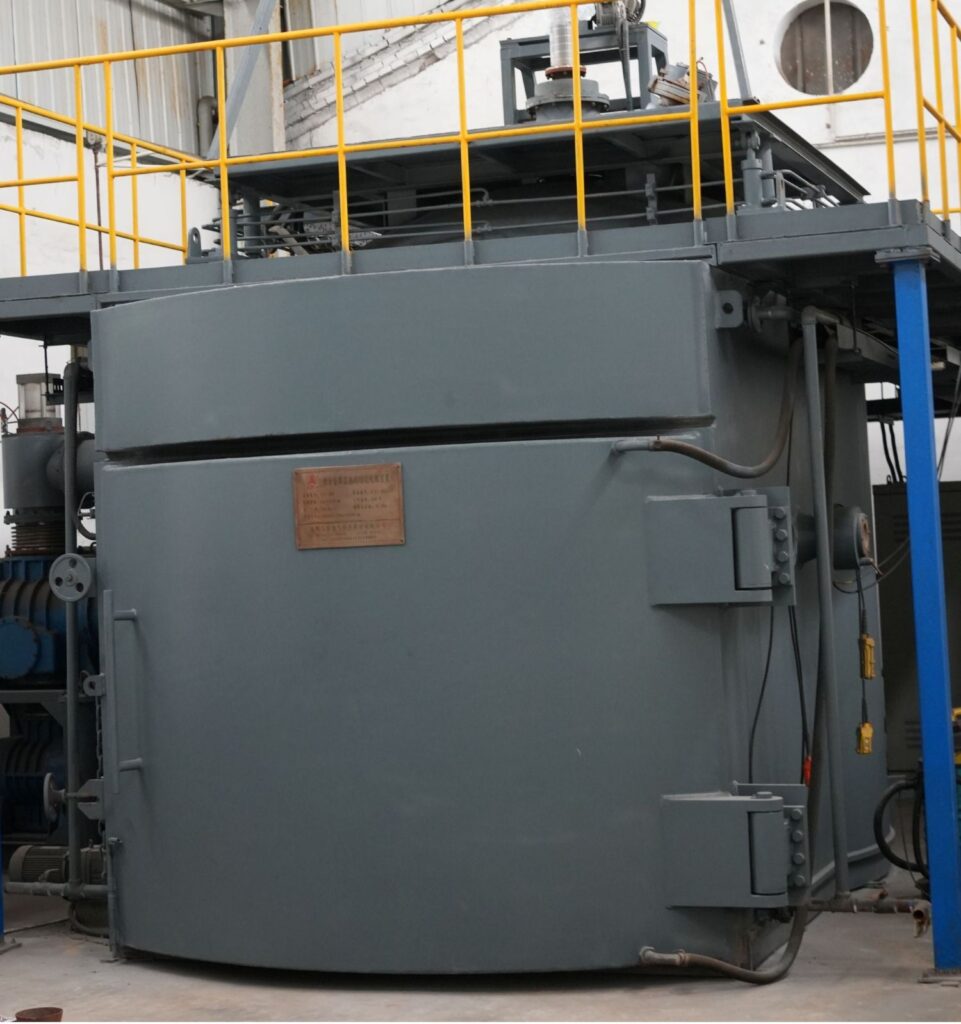
Magnesium alloy melting is more sensitive than aluminum alloy melting.
Magnesium has strong affinity with oxygen and water vapor. It oxidizes easily, reacts quickly, and may burn if the melt is not protected properly.
For buyers of magnesium alloy products, melt protection is one of the key factors behind casting quality, density, and safety.
Why Magnesium Melt Needs Protection
Magnesium reacts with oxygen more strongly than aluminum.
When one gram-atom of magnesium combines with oxygen, it releases more heat than aluminum. This means magnesium has a higher oxidation tendency.
After oxidation, magnesium forms a loose oxide film on the surface. This film is not dense enough to block further reaction.
Because of this, magnesium melt may continue oxidizing and even burn during melting.
Magnesium and Oxygen Reaction
Magnesium oxidation is closely related to temperature.
At lower temperature, the oxidation rate is not very high. When the temperature rises above about 500°C, oxidation becomes faster.
When temperature exceeds the melting point of magnesium, around 650°C, oxidation can become very intense once oxygen is present.
The heat generated by oxidation may not escape quickly. This raises the interface temperature and further accelerates oxidation.
In severe cases, the reaction temperature may rise far beyond the boiling point of magnesium and cause violent burning or explosion.
Why Beryllium Can Help
Adding a very small amount of beryllium can improve the oxidation resistance of magnesium melt.
Beryllium is a surface-active element. It concentrates on the melt surface and oxidizes first.
The oxide film containing beryllium becomes denser and fills pores in the magnesium oxide film.
However, too much beryllium can cause grain coarsening and reduce mechanical properties. Its protection effect also decreases when temperature is higher than about 750°C.
For most magnesium alloy materials, beryllium should only be considered as an auxiliary protection method, not the main protection system.
Magnesium and Water Reaction
Magnesium reacts strongly with water in both solid and liquid states.
At room temperature, the reaction is slow. As temperature increases, the reaction becomes faster.
The reaction can generate magnesium oxide, magnesium hydroxide, hydrogen, and heat.
When molten magnesium contacts water, the reaction may become violent. Hydrogen reacts with oxygen in the surrounding atmosphere, while water rapidly vaporizes and expands.
This can cause burning, splashing, or explosion.
That is why all furnace charge, tools, fluxes, and materials contacting magnesium alloy melt must be dry.
Magnesium and Nitrogen
Magnesium can react with nitrogen to form magnesium nitride.
At room temperature, the reaction is slow. When magnesium is liquid and temperature is high, the reaction becomes faster.
However, nitrogen does not form a protective surface film. Magnesium nitride also cannot prevent magnesium evaporation.
Therefore, nitrogen alone cannot prevent magnesium oxidation or burning.
Inert Gas Protection
Gases such as helium, neon, and argon do not chemically react with magnesium.
They can reduce contact between magnesium melt and oxygen, so they can help prevent burning.
However, these gases do not form a protective surface film. Above the melting point of magnesium, vapor pressure becomes high, so protection is limited.
For this reason, inert gases alone are usually not enough for reliable magnesium melt protection.
Carbon Dioxide Protection
Carbon dioxide can react with magnesium at high temperature.
The reaction can form magnesium oxide and amorphous carbon. The carbon fills gaps in the oxide film and makes the surface film denser.
Dry and pure CO2 can reduce magnesium oxidation at several temperatures. Below about 700°C, temperature has only a small effect on the oxidation rate in CO2.
However, if CO2 contains air or moisture, its protection effect drops sharply.
At about 700°C, magnesium may form a metallic-looking surface film in dry CO2. But as temperature increases, this film becomes thicker, harder, and less protective. Cracking may occur, and magnesium can start burning.
Sulfur Dioxide Protection
SO2 can also protect magnesium melt to some extent.
It reacts with magnesium and forms a thin, dense MgS-MgO composite film on the melt surface. This film can slow down oxidation.
But when SO2 disappears from the atmosphere, the surface film may crack and magnesium can burn.
If the temperature is above about 750°C, the film may also break and lose protection. SO2 can then react strongly with magnesium and form sulfide inclusions.
Because SO2 has explosion and safety risks, it is now rarely used as a protective gas.
SF6 Protective Atmosphere
SF6 has been widely used to prevent oxidation and burning during magnesium alloy melting.
It is colorless, odorless, nonflammable, and chemically stable at room temperature.
At higher temperature, SF6 can decompose and react with magnesium. This forms protective compounds such as MgF2 on the surface.
A dense MgO-MgF2 composite film can protect the melt from oxidation and burning.
For magnesium alloy casting, SF6 protection works best when the gas concentration is controlled properly.
If the SF6 concentration is too low, protection is weak. If it is too high, equipment corrosion increases and protection does not improve much.
In many cases, the practical SF6 concentration should not exceed about 1%.
Moisture Control in Protective Gas
Moisture in the protective gas greatly increases magnesium oxidation.
In a wet SF6 atmosphere, magnesium oxidizes more severely than in dry gas. Water may also generate harmful HF and accelerate high-temperature oxidation.
Therefore, gas drying equipment is necessary in production.
Dry gas protection gives more stable oxidation control and safer melting conditions.
Flux Protection for Magnesium Melt
In production, magnesium alloys are often melted under flux protection.
Flux has two main roles.
First, molten flux forms a continuous covering layer on the melt surface. It separates the melt from air and blocks Mg-O2 and Mg-H2O reactions.
Second, flux supports refining. It wets and absorbs non-metallic inclusions, then helps remove them from the melt.
Common flux ingredients include MgCl2, KCl, CaF2, BaCl2 and other chloride or fluoride salts.
Role of MgCl2 in Magnesium Flux
MgCl2 is the main component in many magnesium alloy fluxes.
It has good covering ability and some refining ability. It can form low-melting salt mixtures with other salts.
MgCl2 also helps wet oxide and nitride inclusions. This supports removal of MgO and Mg3N2 particles from the melt.
However, MgCl2 is highly hygroscopic. If flux absorbs too much moisture, it can create oxide inclusions, hydrogen, sparks, and even burning during use.
For stable magnesium alloy melting, flux storage must be dry and controlled.
Role of KCl, BaCl2 and CaF2
KCl can reduce the melting point, surface tension, and viscosity of MgCl2-based flux.
It also improves flux stability and reduces MgCl2 loss during heating.
BaCl2 has high density and can increase the density difference between flux and magnesium melt. This helps flux separate from the melt more easily.
CaF2 can increase flux stability and refining ability. A small amount of CaF2 can also improve the interfacial tension between flux and magnesium melt.
However, excessive fluoride may increase viscosity or create processing problems. Flux composition must be balanced.
Other Protective Materials
Some auxiliary materials can also protect magnesium melt.
Boric acid can dehydrate and form boron oxide, which reacts with magnesium and helps form a dense protective film.
Fluoride additives can form protective gases and surface films, but they may also release harmful gases.
Because of health and environmental concerns, some older protective additives have been replaced by safer alternatives.
Practical Advice for Buyers
When sourcing magnesium alloy castings or materials, buyers should ask suppliers how they protect the melt.
Important questions include:
- Is the furnace charge fully dry?
- What protective gas or flux is used?
- Is gas moisture controlled?
- Is the SF6 concentration controlled?
- How is flux stored before use?
- Are oxide and nitride inclusions removed?
- Is melt temperature controlled below risk levels?
These questions help you evaluate real melt control capability, not just product appearance.
Conclusion
Magnesium alloy melt protection is essential for quality and safety.
Oxygen, water vapor, nitrogen, and poor flux control can all cause oxidation, burning, inclusions, and casting defects.
Reliable protection requires dry materials, controlled gas atmosphere, proper flux composition, and strict temperature control.
A supplier with strong melt protection practice can provide more stable magnesium alloy materials for demanding industrial applications.